
class="archive category category-do178 category-2 custom-background wp-custom-logo wp-theme-grow metaslider-plugin layout-sidebar-right intro-on layout-responsive pre-header-style2 header-style2 scrollup-on blog-style1 blog-style1-layout2 group-blog"
Model-based systems engineering graphic demonstrating requirements-to-design traceability.

Model Based Systems Engineering (MBSE): A Better Way to Engineer Systems

Model Based Systems Engineering (MBSE): A Better Way to Engineer Systems

In traditional systems engineering, the source of truth lives in documents and spreadsheets. Changes ripple manually, traceability is fragile, and diagrams often drift from reality. Model Based Systems Engineering (MBSE) makes the model the system’s living source of truth. The shared model (often in SysML System Modeling Language) expresses structure, behavior, requirements, and interfaces, which enables consistent views, rigorous analysis, automation, and reliable traceability across the lifecycle.

The Digital Thread – Is Model Based System Engineering Weaving The Fabric?

The Digital Thread – Is Model Based System Engineering (MBSE) Weaving the Fabric? The term digital thread has become a recent buzzword. It extends beyond aerospace and defense to manufacturing and other sophisticated physical systems. Systems engineering is a part of this concept. Specifically, Model-based systems engineering (MBSE) is a vital part of the broader…

How to Model Your Failure Mode and Effects Analysis (FMEA) With SysML

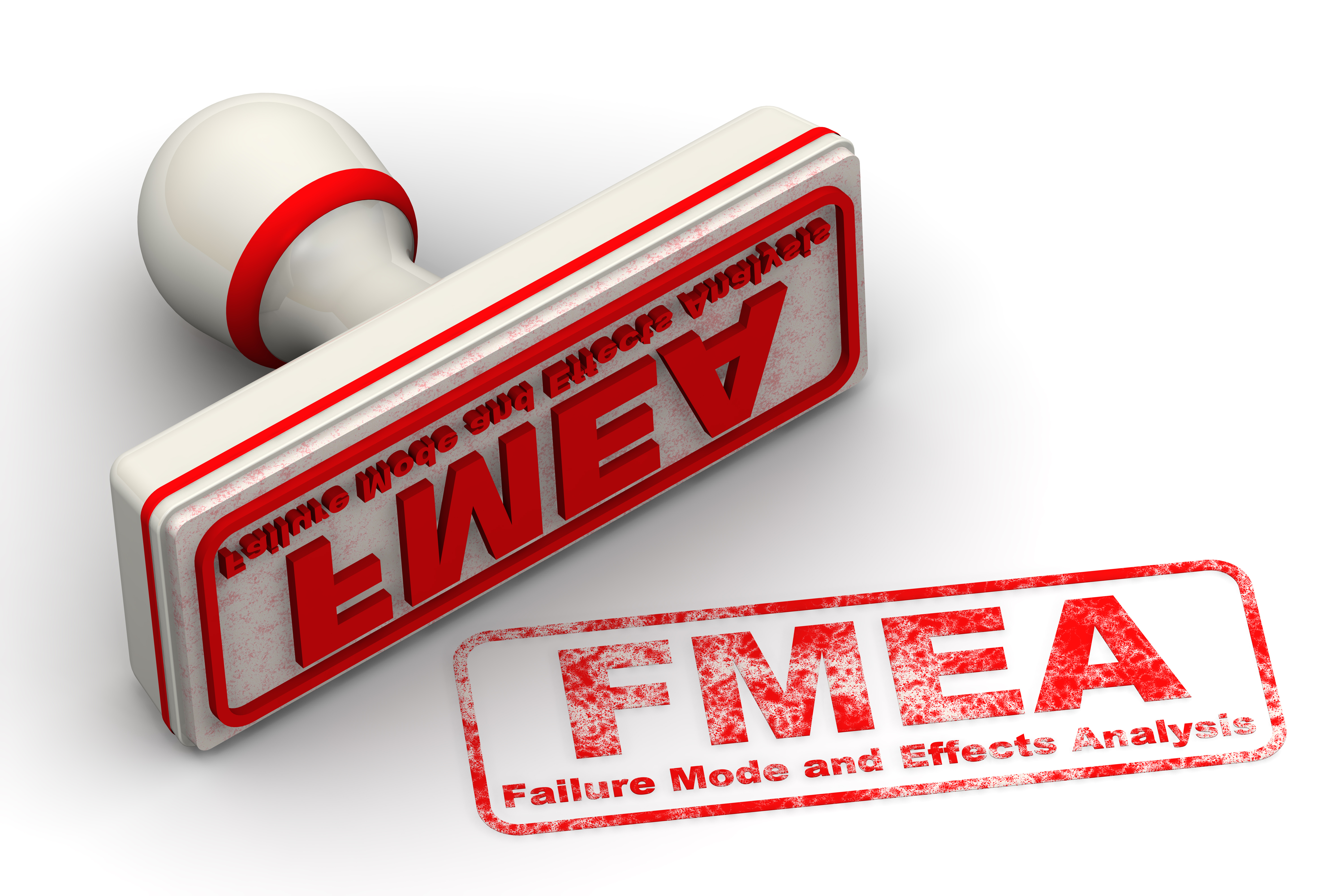
Red seal and imprint "FMEA. Failure Mode and Effects Analysis" on white surface. Isolated. 3D IllustrationI have noticed an increasing trend where more and more companies and government agencies are required by contract to perform Failure Modes Effects Analysis (FMEA). For example, the Food and Drug Administration (FDA) has mandated that FMEAs must be done for any product that is put out on the market. In general, every company that is producing any product should have a design and a FMEA. That same design should trace to requirements, define any hazards that may exist, and should be able to demonstrate the failure modes. Similarly, many original equipment manufacturers (OEMs) are following suit in requiring FMEAs in the production of parts and in the making of devices. For this reason, medical, aerospace, and automotive companies alike, all understand the need to generate FMEA tables and forms in order to prove acceptability in the marketplace.  Traditionally FMEAs are captured in a spreadsheet format, either by tools like Windchill Quality Solutions, ReliaSoft’s Xfmea, or simply captured in Excel.  Because my focus is modeling systems designs, I am in the process of developing a modeling technique which can enable systems engineers to easily access, create, trace, model the information they need. …

MBSE Productivity & Tool Integration – Can You Incorporate Your Tool Into Other Systems?

Integration – Can You Live Without It?Good tool integration is much like your smart phone, you don’t know you need it until you see how it can work for you. Too often corporate executives mandate from the top that a model-based method of systems engineering must be followed because this has become standard industry protocol,…

Verified by ExactMetrics